Pinion's Aria turns the note lane into part of the catch itself. Clean notes improve the fight and a seven-note streak triggers Resonance in the currently documented mechanic. A miss can end that advantage, so rhythm and catch-bar control must be practiced together.
Read the Falling Notes as the Main Mechanic
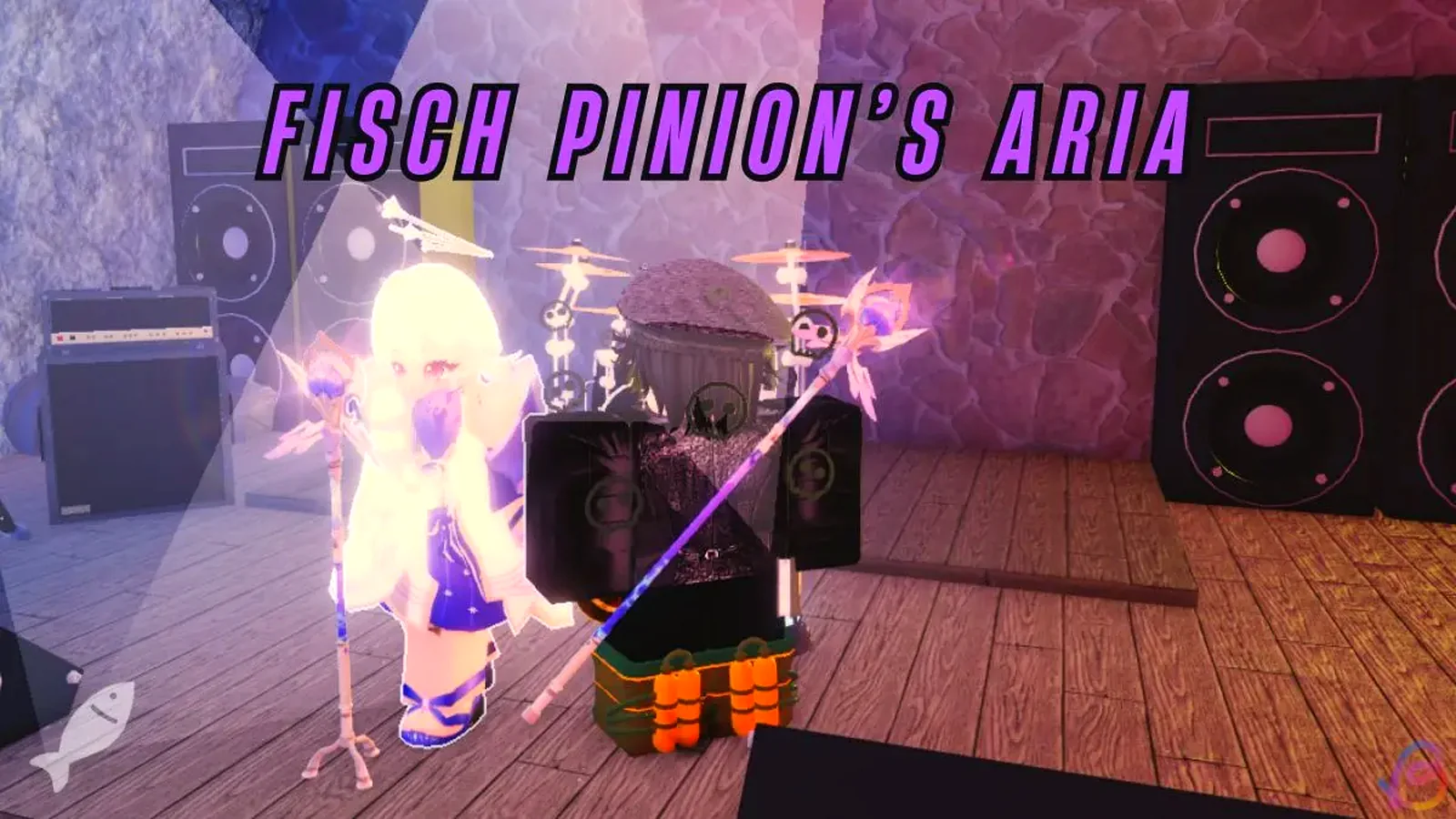
The musical layer sits on top of the normal Fisch catch bar. You still need to manage the fish, but every successful note gives the fight a small push in your favor. The current community reference lists four immediate benefits: more control, a small amount of progress, faster progress, and less progress loss while the fish is outside the bar. It also slows the fish, which is why a clean streak begins to feel easier even if the first seconds are uncomfortable.
A miss reverses that momentum. It reduces the control you have built, removes progress, slows your progress gain, increases the rate at which progress drains, and speeds up the fish. A stab effect is currently documented as triggering the same penalty. This is the main reason the rod can feel inconsistent to a new owner: one catch snowballs into an easy rhythm, while another becomes messy after an early miss.
Do not treat the notes as decoration. They are the rod's control system. Watch their approach, make a deliberate input, and let the ordinary catch bar become your secondary check whenever several notes arrive close together.
Build the Seven-Note Resonance Streak
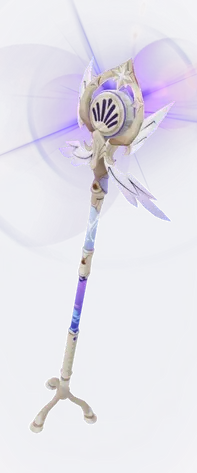
Resonance begins after seven consecutive successful notes in the current documented version. Once it starts, the fish follows the control bar and most fish abilities are suppressed. The Wyvern is listed as an exception, so do not assume Resonance makes every target passive.
The state is powerful but not completely free. Control gradually falls during Resonance while forced progress speed continues to build. That creates a short decision window: keep your movements smooth and let the forced progress finish the fight rather than over-correcting because the bar looks smaller. A missed note immediately ends the state and resets the temporary control that your streak created.
During a catch:
- Stabilize the fish during the first notes.
- Prioritize seven clean note inputs over chasing every small movement.
- When Resonance begins, use smaller corrections and protect the streak.
- If Resonance ends, return to basic bar control instead of trying to force the lost tempo.
Practice Without Wasting a Rare Attempt

Practice on ordinary fish before using Pinion's Aria for a quest target or difficult hunt. The point is to learn the visual timing without also dealing with a rare fish's movement, ability, or limited spawn window.
Use a few ordinary catches to learn where the notes appear and how quickly they fall. Once the lane feels readable, count the successful notes until Resonance begins. If you miss naturally, keep playing instead of abandoning the catch: settle the fish, rebuild control through later notes, and finish normally. There is no need to throw a streak away on purpose.
If performance is uneven, reduce distractions before changing your equipment. Close unnecessary menus, use a stable server, and avoid stacking a difficult target on top of an unfamiliar mechanic. Low frame rate or delayed inputs can make the note timing feel inconsistent; if the interface is visibly stuttering, test the rod on an easy fish before risking a quest catch.
Balance the Note Lane and Catch Bar
When the fish moves away from the bar at the same moment a note arrives, the best input depends on the stage of the streak. Early in the fight, protect enough normal progress to avoid losing the catch. Near the seventh note, preserving the streak can be more valuable because Resonance may stabilize the remainder.
This does not mean ignoring the fish completely. It means avoiding large, desperate movements that cause two problems at once. Make one controlled correction, hit the note, then re-center. Pinion's Aria is a rhythm rod, not a button-mashing rod.
For a no-missed-note objective, the note condition is absolute even if the fish remains inside the control bar. A normal-looking catch can fail the objective when one note is missed. Check the quest wording before starting and separate “land the fish” from “land the fish with a perfect note sequence.”
Fix the Most Common Timing Mistakes
- Watching only the catch bar: Move your attention to the falling-note lane and use peripheral vision for the fish.
- Over-correcting in Resonance: The fish is already following the control bar. Use smaller movements and let forced progress work.
- Giving up after one miss: The quest condition may be lost, but the catch can often be recovered. Finish it for practice.
- Testing on a rare hunt first: Learn the rhythm on ordinary catches where failure costs almost nothing.
- Assuming every fish ability is disabled: Current references identify Wyvern as an exception.
- Confusing a perfect catch with a clean quest catch: Read the active task; some objectives specifically require no missed notes.
Check the Live Rod and Quest Text
This guide reflects the mechanic documented on August 30, 2026. Pinion's Aria has received balance and mastery changes, so exact note bonuses, the seven-note Resonance threshold, and ability exceptions can change. If the live rod tooltip, mastery panel, or quest text disagrees with a guide, use the in-game wording and treat the older number as historical.
If you still need the rod or need to remove Restricted, use the Pinion's Aria unlock guide. Once the note loop feels reliable, continue with the Pinion's Aria mastery route instead of repeating acquisition steps here.